

Use each short attempt to learn something about timing.
Watch one cycle
A moving obstacle can feel unpredictable when you look only at the moment you fail. Observe a full movement cycle if the game lets you wait. Find a visual cue that comes before the opening you need.
The cue might be a position, a change of direction or the return of an object. Check the actual game rules before assuming the pattern always repeats at the same speed.
Connect the cue to the input
Choose one cue and try a deliberate input. Notice whether your move begins immediately, continues while held or ends when released. Those differences matter more than simply tapping faster.
For a timing example, explore Circle Flip. Use the first attempt to understand what a correct input looks like in that particular game.
Change one thing next time
After a miss, decide whether you were early, late or in the wrong starting position. Change one of those variables on the next attempt. If you change everything, the result gives you less useful information.
A successful attempt is evidence too. Try to describe the cue you used so that success becomes repeatable rather than accidental.
Know when a pause helps
Rapid retries can become a habit even after you stop noticing the screen. Pause when several attempts produce the same result without a new observation.
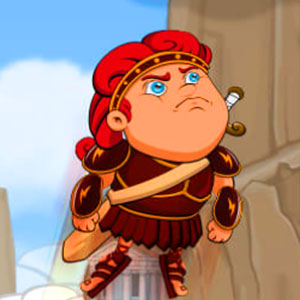
Try a different pace in the library or come back later. In Hero Jump or another action title, learning the movement is a useful result even before a high score.